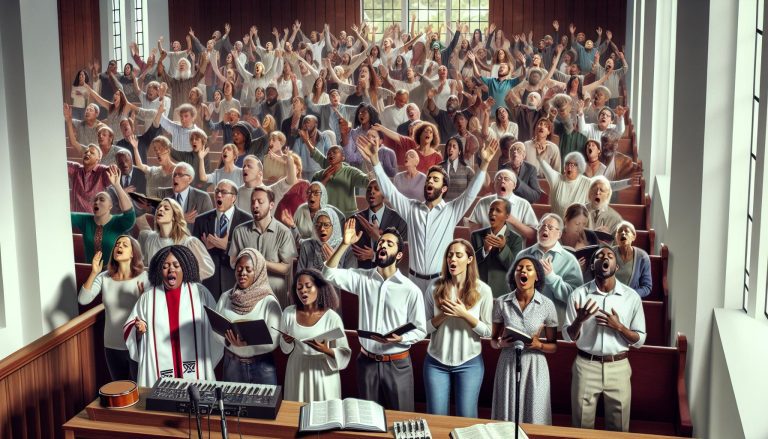
Uplifting Christian Chants & Cheers for Vibrant Worship
Christian chants and cheers aren’t just a way to show spirit; they’re a profound expression of faith that resonates through communities. Whether you’re at a church service, religious event, or youth camp, these vocal expressions unite participants in a shared spiritual experience.
You’ve likely heard the uplifting echoes of a congregation in song, but there’s more to these chants than meets the ear. They’re steeped in history, tradition, and a deep sense of belonging. Let’s jump into the world of Christian chants and cheers and discover how they shape and energize faith gatherings around the globe.
History of Christian Chants and Cheers
Christian chants have a rich history that dates back to the early days of the church. Initially, these chants were simple melodies, primarily used during worship and religious ceremonies to enhance the spiritual atmosphere. Gregorian Chant, named after Pope Gregory I, is one of the most well-known styles from the medieval times. Your appreciation for these chants can deepen when you understand they were composed to convey the Scriptures through music.
As Christianity spread, so did the evolution of these chants. By the Fourth Century, churches were resonating with these sacred melodies. It became a way to preserve the teachings of the church, especially as most people couldn’t read or write. The chants acted as an auditory guide to the sacred texts.
Youth gatherings and religious retreats gave rise to Christian cheers, blending the reverence of chants with the vigor of cheer. These spirited expressions often take the form of call-and-response, fostering a lively and unifying experience. It’s not just about the words, but the act of coming together to celebrate faith that truly matters.
During the Renaissance, harmony was introduced to church music, and with it came a new wave of chanting traditions. These multi-voiced chants were more elaborate and were often incorporated into significant religious services and festivals. As you participate in these evolved forms of praise, you’re echoing the voices of generations past.
In the present day, chants and cheers continue to play a pivotal role in Christian worship across the globe. Modern technology has allowed for these chants to be recorded and shared, which has helped in keeping this sacred tradition alive. You’ll find that the chants of today maintain the same essence of devotion, even with contemporary adaptations.
Remember, every time you engage in these ancient practices, you’re part of a continuum that connects you with the faithful across centuries. Whether in a grand cathedral or a humble church hall, these chants and cheers are a vital lifeline to the spiritual legacy of Christianity.
Explore how these traditions vary from East to West, as cultures have shaped and integrated their own unique influences into Christian worship.
Purpose and significance of Christian chants and cheers
Christian chants and cheers aren’t just sounds; they’re a powerful means of expression within the faith community. Rooted in tradition, these vocal expressions serve several vital functions that enrich the spiritual lives of believers. You’ll find they’re not only about worship but also about identity, education, and community bonding.
Chants as a Tool for Worship
The primary purpose of chant in Christianity is to enhance spiritual reflection and worship. When you chant, it’s more than the words that matter; it’s also about the rhythm and melody which can carry you into a deeper state of meditation and prayer. This practice has roots in ancient psalms and hymns and continues to be a backbone of liturgical services across different denominations. – Chants for Education – Reinforce doctrine – Memorization of scriptures – Teach historical events
For those who couldn’t read in the past, chants were an effective means to learn and remember the teachings of the church. Today, they still play this educational role, whether you’re a newcomer trying to grasp the basics of the faith or a long-standing member seeking a more profound understanding. Cheers to Foster Unity and Enthusiasm
Christian cheers, on the other hand, are more than your standard rallying cries. They blend the solemnity of chants with an invigorating energy that’s perfect for youth gatherings and retreats. These cheers create a lively atmosphere that encourages participation and promotes a sense of unity among the group. It’s about sharing the joy and vibrancy of your faith with peers while upholding the values and traditions that define the Christian community.
- Cheers for Communication – Engage younger generations – Share messages creatively – Encourage active participation
By participating in Christian chants and cheers, you’re not just adopting age-old practices. You’re actively participating in the dynamic living tradition that reaches back through centuries. Whether in a grand cathedral or a humble fellowship hall, these chants and cheers allow you to connect with fellow believers and embody a shared heritage that is as enduring as it is profound.
Different types of Christian chants and cheers
When engaging in Christian worship, you’ll come across various types of chants and cheers, each with its own style and purpose. Understanding their differences can help you appreciate the depth of these practices.
Gregorian Chant
Gregorian chants, known for their serene and contemplative nature, are probably the oldest and most famous. They’re named after Pope Gregory I and have been a part of church tradition since around the 9th century. With their simple melodic lines and Latin lyrics, these chants aim to elevate the soul:
- Simple Harmony: Usually sung in unison without instrumental accompaniment.
- Timelessness: Echoes the ancient texts of the liturgy.
- Meditative Quality: Often used to set a reflective mood.
Contemporary Christian Music (CCM)
Moving to a modern beat, CCM is a vibrant expression of faith using the latest music styles:
- Diverse Genres: From pop to rock, it’s all about celebrating faith in a language that speaks to today’s worshipers.
- Youth Appeal: Engaging rhythms encourage younger members to join in.
- Positive Lyrics: Often conveying messages of hope and salvation.
Gospel Music
Gospel music brings a soulful sound to worship. It combines powerful vocals with strong rhythms and has deep roots in African-American church traditions:
- Call and Response: A leader sings a line, and the congregation responds.
- Emotionally Charged: Gospel music often evokes raw emotions tied to personal testimony and spiritual fervor.
Traditional Hymns
You can’t discuss Christian music without mentioning traditional hymns. These staples have united congregations through shared beliefs:
- Theological Depth: Rich in doctrine, hymns often teach as they worship.
- Cross-Generational Bond: Bridges the gap between older traditions and contemporary expressions.
As you explore these expressions of faith, you’ll notice how chants and cheers reflect the diverse world of Christian worship. From historical hymns to the upbeat tunes of CCM, every style offers a unique avenue for connecting with the divine and with each other.
Popular Christian chants and cheers worldwide
You’ve probably hummed a tune or two of Christian music at some point, but there’s a whole world of chants and cheers resonating across the globe. Let’s look at some that have caught the attention of believers and non-believers alike.
Gregorian Chants Take Center Stage
When you think of Christian chants, Gregorian chants likely come to mind first. Originating in Europe during the 9th and 10th centuries, these chants are a form of plainchant that’s survived through the ages. Their timeless melodies are not just for traditional church services; they’ve also been sampled in modern music genres, making them a living bridge between the old and new.
Gospel Music: A Trailblazer for Emotional Expression
Moving on to the heartfelt throbs of Gospel music, which is as much about worship as it is about storytelling. From the soulful sounds of the African American churches in the early 20th century to contemporary Gospel tunes, these songs carry the weight of history and the power of faith. – “Oh Happy Day”
- “Amazing Grace”
- “Go Tell It on the Mountain”
These Gospel tracks are known globally and continue to inspire generations with messages of hope and salvation.
Contemporary Christian Music: The New Wave
For the younger crowd, Contemporary Christian Music (CCM) adds a fresh vibe to spiritual tunes. Bridging the gap between popular music and Christian themes, CCM has been a unique avenue for Christians to express their faith in a style that mirrors mainstream music beats. Artists like Hillsong Worship, Chris Tomlin, and Lauren Daigle have cemented CCM’s place on international charts, and songs like “I Can Only Imagine” have become anthems that cross the boundaries of church walls.
Traditional Hymns Never Fade
Finally, let’s not forget the power of traditional hymns. Rooted deeply in doctrine, hymns like:
- “How Great Thou Art”
- “Blessed Assurance”
Impact of Christian chants and cheers on faith gatherings
Christian chants and cheers play a pivotal role in faith gatherings, shaping the atmosphere and influencing the collective spirit of the community. The power of these musical expressions lies in their ability to unify worshippers, create a shared experience, and enhance the spiritual connection during services and events.
Building Community Through Song
When you participate in singing hymns or joining in a gospel chorus, you’re not just making music – you’re fostering a sense of belonging. These moments of communal singing:
- Encourage participation from everyone present
- Break down barriers between individuals
- Foster a welcoming space for newcomers
Emotional and Spiritual Uplift
The emotional impact of Christian music in a faith gathering can be profound. As the melodies and lyrics of traditional hymns or a powerful gospel tune resonate through the congregation, they can touch hearts and lift spirits, often leading to: – A deeper emotional response to the service
- Moments of personal revelation and spiritual connection
- Strengthened faith through shared, resonant experiences
Engaging the Youth with Contemporary Tunes
Contemporary Christian Music, or CCM, has a special knack for connecting with younger churchgoers. The modern beats and relevant messages help bridge the gap between Sunday sermons and everyday life, making faith more accessible through:
- Relatable lyrics that address current challenges
- Musical styles that mirror what younger people listen to outside church
- An energized atmosphere that’s inviting to all ages
Preserving Tradition with Gregorian Chants
The reverence and ancient beauty of Gregorian chants bring a timeless quality to faith gatherings. With their meditative melodies and historical significance, these chants offer a unique experience that:
- Connects the modern church with its historical roots
- Encourages a reflective and contemplative mood
- Highlights the continuity of faith through centuries
Christian chants and cheers add depth and vibrancy to faith gatherings across various denominations. By encompassing a wide range of styles and emotions, they help create unforgettable experiences that echo well beyond the walls of churches and resonate deeply within communities.
Conclusion
Embrace the power of Christian chants and cheers as they elevate your spiritual gatherings, forging a stronger community bond and deepening your faith. They’re not just songs; they’re the heartbeat of worship that resonates with every soul, inviting participation and fostering a welcoming atmosphere for all. Whether it’s the timeless echo of Gregorian chants or the vibrant pulse of contemporary Christian music, these sounds are a bridge connecting you to the sacred and the communal. Let them uplift and inspire you, crafting moments of unity and reflection that will linger long after the last note fades.