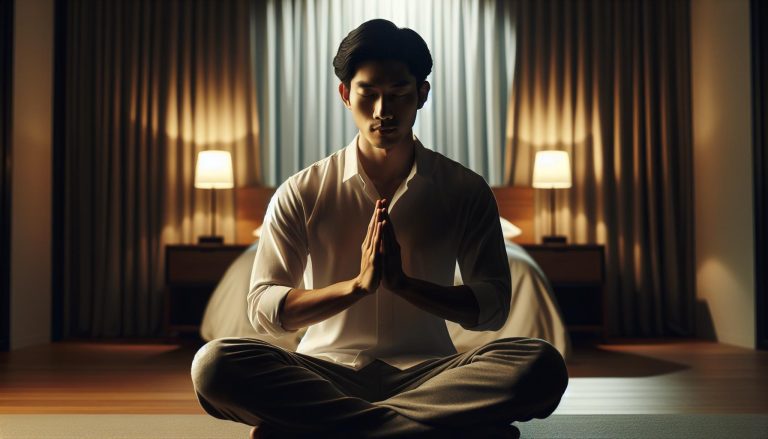
Mantra for Beginners: Unlock Tranquility and Focus with Sacred Sounds
Diving into the world of mantras can be a transformative experience, especially if you’re just starting out. These ancient, powerful sounds have been used for centuries to calm the mind, connect with the inner self, and even manifest desires. But where do you begin? If the idea of using mantras feels overwhelming, you’re not alone. Many beginners find themselves intrigued yet unsure of how to incorporate these sacred sounds into their daily routine.
Understanding mantras and their significance is your first step towards a more centered and peaceful life. Whether you’re seeking to enhance your meditation practice, find stress relief, or simply explore a new spiritual tool, mantras offer a pathway to deeper self-awareness and tranquility. Let’s break down the basics and help you begin on this enriching journey with confidence.
What are Mantras?
Mantras are more than just sounds; they’re tools for transforming your consciousness. Originating from ancient spiritual traditions, mantras consist of specific phrases or sounds that, when repeated, have the power to calm your mind, connect you with your inner self, and even manifest your deepest desires. Different from ordinary speech, the vibrational quality of mantras engages with your physical and energetic bodies, promoting a sense of peace and well-being.
The Power of Sound
At the heart of mantra practice lies the understanding that sound is fundamentally transformative. Ancient sages discovered that particular sounds could influence the mind and body in profound ways. When you vocalize these sacred sounds, you tap into a universal energy, resonating with the frequencies of creation and harmony.
Benefits of Mantra Practice
Regularly incorporating mantras into your life can have a significant impact on your mental and emotional health. Here are a few notable benefits:
- Reduces anxiety and stress: Mantras can lower cortisol levels, the stress hormone, fostering a state of relaxation.
- Enhances concentration and focus: By centering your attention on the repetition of a sound, mantras can improve your cognitive abilities.
- Boosts self-awareness and mindfulness: Mantra practice encourages you to stay in the present moment, enhancing your self-awareness.
- Cultivates positive energy: The vibration of mantras can elevate your mood and create a positive mindset.
How to Get Started
For beginners, the key is to start simple. Choose a mantra that speaks to you—whether it’s for peace, health, or abundance—and integrate it into your daily routine. You can chant it silently in your mind or aloud. There’s no right or wrong way to do it, as long as you connect with the mantra’s essence.
Remember, the goal of using mantras isn’t about achieving perfection. It’s about the journey towards greater self-awareness and finding stillness within.
Why should beginners explore Mantras?
Embarking on the journey of mantra practice offers numerous benefits, grounded in both ancient wisdom and modern science. As a beginner, you’re stepping into a area where sound transforms consciousness, fostering a connection with your inner self that’s both profound and life-affirming.
Here are the key benefits of integrating mantras into your daily routine:
- Stress Reduction: Mantras can significantly lower cortisol levels, the stress hormone. This reduction in cortisol not only helps you feel more relaxed but also improves your overall health by reducing the risk of stress-related disorders.
- Enhanced Focus and Concentration: Regular mantra practice sharpens the mind, enhancing your ability to concentrate. This can be particularly beneficial in today’s rapid world, where distractions are a constant battle.
- Improved Sleep Quality: Many practitioners find that mantra meditation before bedtime promotes a deeper, more restful sleep. The calming effect of repeating mantras helps in quieting the mind and easing into a state of relaxation necessary for good sleep.
- Elevated Mood: Engaging with mantras activates and increases the production of endorphins, the body’s natural mood elevators. This leads to an uplifted state of mind, combating feelings of depression or negativity.
Real-Life Example of the Impact of Mantras
Consider the case of a corporate executive who integrated 20 minutes of mantra meditation into their morning routine. Within weeks, they reported a notable decrease in stress levels and an impressive improvement in their ability to focus during high-pressure meetings. This example underscores the practical benefits of mantra practice in enhancing both personal well-being and professional performance.
Incorporating Mantras into Your Life
Starting your mantra practice need not be complicated. Choose a mantra that resonates with you, and dedicate a few minutes each day to repeating this sacred sound. Whether you’re seeking stress relief, emotional healing, or a deeper spiritual connection, mantra meditation can be a powerful tool in your wellness arsenal. The beauty of mantras lies in their simplicity and the personal journey of discovery they offer.
Choosing the right Mantra for beginners
When embarking on your journey with mantras, finding one that resonates with you is crucial. Each mantra has its own vibration and intention, designed to bring about specific effects in your life. Here’s how to choose the right mantra for your needs.
Understand Your Goals
First, identify what you’re seeking from your mantra practice. Different mantras serve different purposes, such as:
- Promoting peace and calm
- Enhancing focus and concentration
- Attracting abundance and prosperity
- Cultivating love and compassion
Your goal might be as simple as seeking inner peace or as specific as improving your concentration for work-related tasks.
Explore Traditional Mantras
Many beginners find it helpful to start with traditional mantras, which have been used and empowered by countless practitioners over the centuries. Some popular choices include:
- Om: The universal sound, symbolizing ultimate reality or consciousness
- Om Mani Padme Hum: Promotes compassion and the purification of the mind
- So Hum: Translates to “I am that,” connecting you with the universe
- Lakshmi Mantra (Om Shrim Maha Lakshmiyei Swaha): Attracts abundance and prosperity
Listen to Your Intuition
While researching mantras, pay attention to how each recitation makes you feel. Your intuition is a powerful guide in selecting a mantra that’s aligned with your innermost desires and intentions. If a particular sound or phrase evokes a sense of peace, empowerment, or joy, consider adopting it as your mantra.
Start Simple
For beginners, simplicity is key. Choose a mantra that you find easy to remember and pronounce. This ensures you can focus on the sound and vibration of the mantra, rather than struggling to recall complex Sanskrit phrases. As you become more comfortable with the practice, you may feel drawn to explore other mantras.
As you integrate mantras into your daily routine, remember, patience and consistency are your best allies. Over time, you’ll notice subtle shifts in your awareness and a deeper connection to your chosen mantra, illuminating your journey toward self-discovery and transformation.
How to incorporate Mantras into your daily routine
Incorporating mantras into your daily life isn’t as daunting as it might seem. It’s about integrating this powerful practice seamlessly into your routine, transforming mundane moments into opportunities for mindfulness and reflection. Here’s how you can get started on this transformative journey.
Start with the morning. Begin each day by setting aside a few minutes after waking up to chant your chosen mantra. This could be while you’re still in bed or as you prepare for the day. The key is consistency; making mantra chanting a part of your morning ritual helps set a positive tone for the day ahead.
Make use of idle moments. Whether you’re waiting for the coffee to brew, standing in line, or commuting, these are all opportunities to quietly repeat your mantra. By doing this, you’re turning potentially stressful or mindless waiting times into moments of calm and mindfulness.
Integrate mantras into your meditation practice. If you already meditate, incorporating mantras can deepen your practice. Choose a quiet time and place, sit comfortably, close your eyes, and silently repeat your mantra. You’ll find that it helps focus your mind, making your meditation more effective.
End your day with reflection. Before going to bed, take a few minutes to chant your mantra, reflecting on the day and allowing any stress or negativity to dissipate. This practice can improve your sleep quality by calming your mind and preparing it for rest.
Remember, the goal isn’t to overwhelm yourself but to find simple ways to integrate mantras into your daily life. With patience and consistency, you’ll discover the profound impact this practice can have on your well-being and outlook on life. As you continue to explore and experiment with different mantras, listen to your intuition and let it guide you towards the sounds that resonate most deeply with your inner self.
Tips for beginners to enhance their Mantra practice
Starting your journey with mantras can be transformative. To make the most of it, here are tailored tips that can enhance your practice right from the start.
Understand the Meaning
Knowing what your mantra means deepens your connection to it. Even if you’re using a traditional Sanskrit mantra or one in your native language, understanding the essence of the words can elevate your experience. This comprehension aids in aligning your intentions with the mantra, so magnifying its power.
Consistency is Key
Like any practice, regularity in your mantra meditation can significantly impact its effectiveness. Aim to dedicate a specific time of your day for this practice. Morning sessions can set a positive tone for your day, while evening sessions might help in unwinding and reflecting.
Create a Dedicated Space
Having a dedicated space for your mantra practice can significantly enhance your focus and commitment. This doesn’t need to be elaborate – a quiet corner adorned with a few personal items like candles, a meditation cushion, or even a small plant can mark this as your tranquil retreat.
Vocalization vs. Silence
Experiment with vocalizing your mantras as opposed to silently reciting them. Vocalization can aid in rhythm and breath control, offering a more meditative experience. But, silent recitation can be profoundly internalizing, allowing deeper introspection. See which method aligns better with your goals and preferences.
Incorporate Technology
In this digital age, plenty of apps and websites offer guided mantra meditations. These can be particularly useful for beginners, offering structure and guidance. Set reminders to practice, or use apps to track your progress over time.
Join a Community
Engaging with a community of fellow practitioners can provide support, motivation, and insight. Whether it’s online forums, social media groups, or local meditation circles, connecting with others on the same journey can be incredibly enriching.
By following these tips, you’ll find that your mantra practice not only becomes more consistent but also more profound and impactful. It’s about finding what works best for you and allowing your practice to evolve over time.
Conclusion
Embarking on your mantra journey is a step towards harnessing the power of ancient wisdom in your daily life. It’s not just about reciting sounds but about connecting deeply with yourself and the universe. Remember, the key to a fruitful mantra practice lies in choosing one that resonates with you and integrating it consistently into your routine. It’s not about perfection but progress towards inner peace and self-awareness. With the right approach and mindset, you’ll find mantras to be a transformative tool, bringing calmness, focus, and positivity into your life. So, embrace the journey, experiment with what works best for you, and watch as the world of mantras opens up a new dimension of tranquility and mindfulness in your life.