The Significance and Global Celebrations of Hindu New Year
Are you ready to celebrate a fresh start? The Hindu New Year, also known as “Vikram Samvat,” is just around the corner, bringing with it a sense of renewal and hope. This auspicious occasion marks the beginning of the Hindu calendar and is celebrated with great enthusiasm by millions of people across the globe. It’s a time to bid farewell to the old and embrace the new, as you begin on a journey filled with joy, prosperity, and spiritual growth. In this text, we’ll investigate into the significance of the Hindu New Year and explore the customs, rituals, and traditions that make this celebration truly special. So, get ready to immerse yourself in the vibrant spirit of the Hindu New Year and discover the rich cultural heritage that it embodies.
Significance of Hindu New Year
The Hindu New Year, also known as “Vikram Samvat,” holds immense significance in the Hindu culture. It signifies a fresh start, new beginnings, and the renewal of hope. This auspicious occasion marks the beginning of the Hindu calendar and is celebrated with great enthusiasm by millions of people worldwide.
Here are some key reasons why the Hindu New Year holds great significance:
- Renewal and Rejuvenation: The Hindu New Year is a time for introspection and self-reflection. It serves as a reminder to let go of the past year’s mistakes and embrace new opportunities. It is a time to set new goals, make resolutions, and strive for personal growth.
- Cultural and Religious Significance: The Hindu New Year is deeply rooted in rich cultural and religious traditions. It is a time to connect with one’s heritage and celebrate the customs and rituals passed down through generations. The festivities often include prayer ceremonies, visits to temples, and the exchange of gifts.
- Harvest Season and Prosperity: In many parts of India, the Hindu New Year coincides with the harvest season. It is a celebration of abundance and prosperity. Farmers offer their gratitude for a bountiful harvest, and communities come together to express their collective joy and gratitude for nature’s bounty.
- Astrological Significance: The Hindu New Year is based on the traditional lunar calendar and takes into account the positions of celestial bodies. It is believed that the alignment of stars and planets during this time has a direct impact on one’s life. Devotees seek astrological guidance and perform rituals to attract positive energy and good fortune for the coming year.
- Community Bonding and Togetherness: The Hindu New Year is a time when families and friends come together to celebrate. It strengthens the bond between loved ones and fosters a sense of unity within the community. Festivals and gatherings provide an opportunity for people to share joy, laughter, and positive vibes.
To conclude, the Hindu New Year holds great significance as it symbolizes renewal, cultural traditions, prosperity, and community bonding. It provides an opportunity for individuals to reflect on their past, set new goals, and embrace a fresh start. By celebrating this auspicious occasion, you can immerse yourself in the rich cultural heritage and shared values of the Hindu community.
Introduction to Vikram Samvat
Vikram Samvat, also known as the Hindu New Year, holds immense significance in the Hindu culture. It marks the beginning of a new year and is a time for reflection, renewal, and the setting of new goals.
The term “Vikram Samvat” is derived from the Sanskrit words “Vikram” meaning “brave” or “victorious” and “Samvat” meaning “era” or “year.” It is named after King Vikramaditya, a legendary emperor known for his wisdom and valor. The calendar system of Vikram Samvat dates back to 57 BCE, making it one of the oldest in continuous use.
The Hindu New Year begins with the festival of Chaitra Navratri, which falls in the spring season (March-April). During this time, Hindus engage in various rituals and ceremonies to seek blessings and begin on a new journey.
- Symbolizes renewal and new beginnings: Vikram Samvat represents the opportunity to leave behind the past and embrace a fresh start. It serves as a reminder to let go of negativity and embrace positive changes in life.
- Encourages introspection and self-reflection: The Hindu New Year prompts individuals to reflect on their actions, mistakes, and achievements, inspiring personal growth and development.
- Incorporates rich cultural and religious traditions: During Vikram Samvat, individuals engage in prayer ceremonies, visit temples, and exchange gifts. These practices foster a sense of spirituality and cultural unity among the community.
- Celebrates abundance and prosperity: In many parts of India, Vikram Samvat coincides with the harvest season, signifying abundance and prosperity. It is a time to express gratitude for bountiful crops and to celebrate the joy of nature’s blessings.
- Astrological significance: Vikram Samvat aligns with the movement of celestial bodies and has astrological importance. Devotees seek guidance from astrologers, perform rituals, and make offerings to attract positive energy and good fortune in the coming year.
- Strengthens community bonds: The Hindu New Year brings people together, promoting unity, and fostering a sense of togetherness. It is a time to strengthen relationships, reconcile differences, and celebrate the shared values of the community.
Customs and Traditions of Hindu New Year
The Hindu New Year, also known as Vikram Samvat, is rich in customs and traditions that hold deep significance for the Hindu community. These practices are observed during this auspicious time as a way to seek blessings, foster spiritual growth, and strengthen community bonds. In this section, we will explore some of the customs and traditions of the Hindu New Year.
- Prayer Ceremonies and Temple Visits: As the Hindu New Year begins, individuals engage in prayer ceremonies and visit temples to seek the blessings of the deities. These practices are believed to bring prosperity, good health, and success in the coming year. Temples are adorned with beautifully decorated idols of the gods and goddesses, attracting devotees from all walks of life. Offerings such as flowers, fruits, and sweets are made, symbolizing gratitude and reverence towards the divine.
- Exchange of Gifts: The Hindu New Year is also a time for exchanging gifts among family, friends, and loved ones. This practice strengthens relationships and promotes a sense of togetherness and goodwill. Gifts are chosen thoughtfully and are often symbolic, representing blessings, love, and good fortune. The act of giving and receiving gifts serves as a reminder of the importance of sharing and caring for one another.
- Cultural Celebrations: Various cultural celebrations take place during the Hindu New Year, showcasing the diversity and vibrancy of the Hindu community. Colorful processions, folk dances, music performances, and traditional rituals are organized to mark this auspicious occasion. These celebrations not only foster a sense of pride in cultural heritage but also provide an opportunity for individuals to come together and celebrate their shared values.
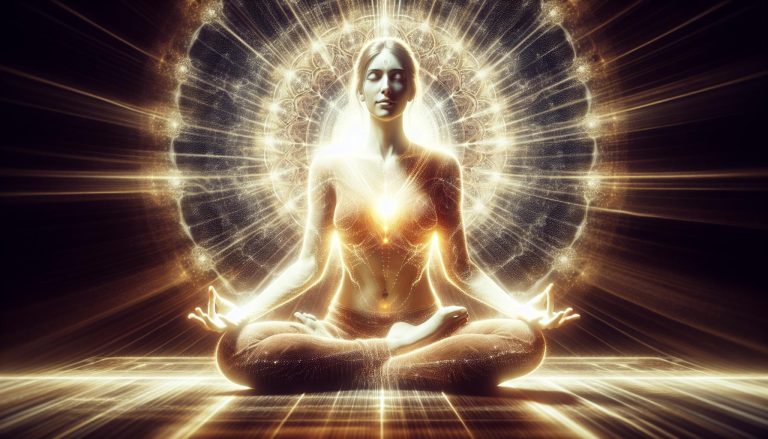
- Renewal and Cleansing Rituals: The Hindu New Year is a time for self-reflection and renewal. Many individuals engage in cleansing rituals to purify the body, mind, and soul. These rituals may include taking a holy bath in sacred rivers or practicing meditation and yoga. The intention behind these practices is to let go of negativity, purify oneself, and embrace positive changes in life.
Rituals and Festivities
The Hindu New Year, also known as Vikram Samvat, is a time of great importance in the Hindu culture. During this auspicious period, several rituals and festivities take place to celebrate and embrace the beginning of a new year. These customs hold deep significance for the Hindu community, fostering spiritual growth, community bonding, and personal reflection. Let’s explore some of the key rituals and festivities observed during the Hindu New Year:
1. Prayer Ceremonies:
Prayer ceremonies are an integral part of the Hindu New Year celebrations. Hindus visit temples to seek blessings from deities for a prosperous and harmonious year ahead. These prayers provide a sense of calm and spiritual connection, helping individuals to find solace and inspiration in their daily lives. By offering prayers and expressing gratitude, Hindus believe they are opening themselves up to the divine blessings and guidance that will guide them throughout the year.
2. Exchange of Gifts:
During the Hindu New Year, the tradition of exchanging gifts plays a vital role in strengthening relationships and expressing love and affection towards family and friends. The act of giving gifts symbolizes goodwill and the desire to share happiness with loved ones. It also fosters a sense of unity and strengthens the bonds between individuals and their communities. The gifts exchanged can range from traditional items to modern gifts, and the gesture holds great significance in building and maintaining strong interpersonal connections.
3. Cultural Celebrations:
The Hindu New Year is marked by vibrant cultural celebrations that showcase the rich diversity of the Hindu community. These festivities often include music, dance, and various forms of artistic expression. Cultural events serve as a platform for individuals to experience and appreciate the traditions and customs of different regions within the Hindu community. They create a sense of unity and pride, fostering feelings of belonging and cultural identity among community members.
4. Renewal and Cleansing Rituals:
The Hindu New Year is also a time for personal reflection and renewal. Various rituals and practices are observed to cleanse the mind, body, and soul, enabling individuals to start the new year with a refreshed and centered mindset. These rituals may include yoga, meditation, fasting, or performing a symbolic cleansing bath. Such practices are believed to purify one’s being and remove any negative energies, allowing for personal growth, self-improvement, and the cultivation of inner peace.
Celebrations Around the Globe
Hindu New Year, also known as “Vikram Samvat,” is celebrated with great enthusiasm and joy not only in India but also by Hindus around the world. This auspicious occasion is marked by various cultural and religious festivities that showcase the diversity and rich heritage of the Hindu community. Let’s explore some of the unique celebrations that take place around the globe during the Hindu New Year:
1. United States
In the United States, Hindu communities come together to celebrate the Hindu New Year with grand cultural events and temple festivities. Cities with significant Hindu populations, such as New York, Los Angeles, and Chicago, organize vibrant parades, music and dance performances, and traditional food fairs. These celebrations not only help preserve and promote Hindu traditions but also provide an opportunity for people from diverse backgrounds to learn about and appreciate the rich cultural heritage of the community.
2. Nepal
Nepal, being the birthplace of Lord Rama, holds special significance during the Hindu New Year. The country celebrates the New Year with great fervor and devotion. One of the highlights is the ‘Bisket Jatra’ festival, which involves a procession of chariots carrying various deities through the streets of Bhaktapur. This festival attracts thousands of devotees and tourists, who witness the vibrant cultural performances and rituals associated with the New Year celebrations.
3. Mauritius
In Mauritius, Hindus celebrate the Hindu New Year by visiting temples, offering prayers, and participating in religious processions. The streets come alive with colorful decorations and traditional dances, creating a festive atmosphere throughout the island. The New Year is also an occasion for families to come together, exchange gifts, and enjoy elaborate feasts. It is a time of unity, reflection, and spiritual renewal.
4. Singapore
Singapore is home to a diverse Hindu community, and the Hindu New Year is celebrated with great enthusiasm in this multi-cultural city. The streets of Little India, adorned with beautiful lights and decorations, become the center of festive activities during this time. Temples organize special prayers and cultural performances, and people visit their loved ones to exchange greetings and gifts. The celebrations in Singapore showcase the harmony and cultural diversity that exists in the country.
Conclusion
The Hindu New Year, also known as “Vikram Samvat,” holds immense significance in the Hindu culture. It is a time for reflection, renewal, and the setting of new goals. During this auspicious time, Hindu communities engage in various customs and traditions that foster spiritual growth and strengthen community bonds.
Prayer ceremonies and temple visits are integral to seeking blessings and divine guidance for the year ahead. The exchange of gifts during the Hindu New Year strengthens relationships and symbolizes the importance of love and generosity. Cultural celebrations showcase the diversity of the Hindu community, highlighting its rich heritage and traditions.
Renewal and cleansing rituals are practiced to purify the body, mind, and soul, enabling individuals to start afresh. These rituals play a vital role in personal growth and self-improvement.
Not only celebrated in India, but the Hindu New Year is also observed worldwide. From grand cultural events in the United States to colorful festivals in Nepal and elaborate feasts in Mauritius, the Hindu New Year brings people together to celebrate and embrace their shared traditions.
The global celebrations of the Hindu New Year emphasize its universal significance and the cultural richness it brings to different parts of the world. May this New Year bring you blessings, joy, and prosperity as you begin on a new journey filled with hope and positivity.