
Top 1970s Slogans That Defined a Marketing Era
Step back in time to the 1970s, an era that redefined the cultural and advertising landscape. You’ve heard them, the catchy phrases that encapsulated the spirit of a decade marked by change and innovation. These slogans weren’t just about selling products; they became part of the social fabric, echoing the sentiments of an entire generation.
From empowering calls to action to simple jingles that stuck in your head, ’70s slogans had a way of capturing the zeitgeist. Whether it was a call for peace, a push for equality, or the promise of a better life through technology, these iconic phrases told a story far beyond their words. Get ready to explore the slogans that shaped a decade and left an indelible mark on advertising history.
The Cultural and Advertising Landscape of the 1970s
During the 1970s, you witnessed a dynamic shift in the cultural and advertising landscape. It was a decade known for its turbulent social changes and vivid expressions of identity and values. Brands were quick to pick up on this transformation, crafting slogans that resonated deeply with a society eager for authenticity and relevance.
Capturing the Zeitgeist Through Words
The slogans of the ’70s did more than just pitch a product; they spoke to the heart of what people were feeling. “Have it your way” and “Because you’re worth it” are prime examples of how advertisers tapped into the desire for individuality and self-worth. These catchphrases weren’t mere jingles; they became rallying cries for personal liberation and empowerment.
Breaking Barriers in Marketing
Marketers of the era broke away from tradition, utilizing slogans to not only sell a product but to also make bold statements. The influence of these slogans went beyond commerce; they helped to shape cultural expectations and change perceptions. The ’70s gave us slogans that pushed the envelope, echoing the changing attitudes toward gender roles, environmental concerns, and social justice.
Embracing a Global Consciousness
As the decade wore on, the advertising industry began recognizing the power of a global market. Beyond national borders, slogans like “Think small” and “The ultimate driving machine” conveyed universal appeals, transcending language and culture. They offered a sense of connection during a time when the world was growing smaller due to advances in technology and communication.
Reflecting a Decade of Innovation
The 1970s were also a hotbed of technological advancement, and advertisements from the time mirrored this fascination with the future. Companies promised a new lifestyle brought forth by the wonders of technology, with slogans that assured consumers that they were on the cutting edge. The advertising slogans of the ’70s painted a picture of progress, embedding the promise of innovation within the collective consciousness.
The marketing brilliance of the 1970s has proved to be timeless, with many slogans from the era still recognized today. They didn’t just sell products; they sold ideas and a vision for the future that continues to resonate.
Catchy Slogans that Defined the Decade

The 1970s were steeped in cultural shifts, and the slogans from this era were no exception. You’ve likely heard some of the decade’s catchphrases, which have an enduring influence even today. Brands became more than just companies selling products; they were purveyors of an ethos, a lifestyle meant to resonate with the social currents of their time.
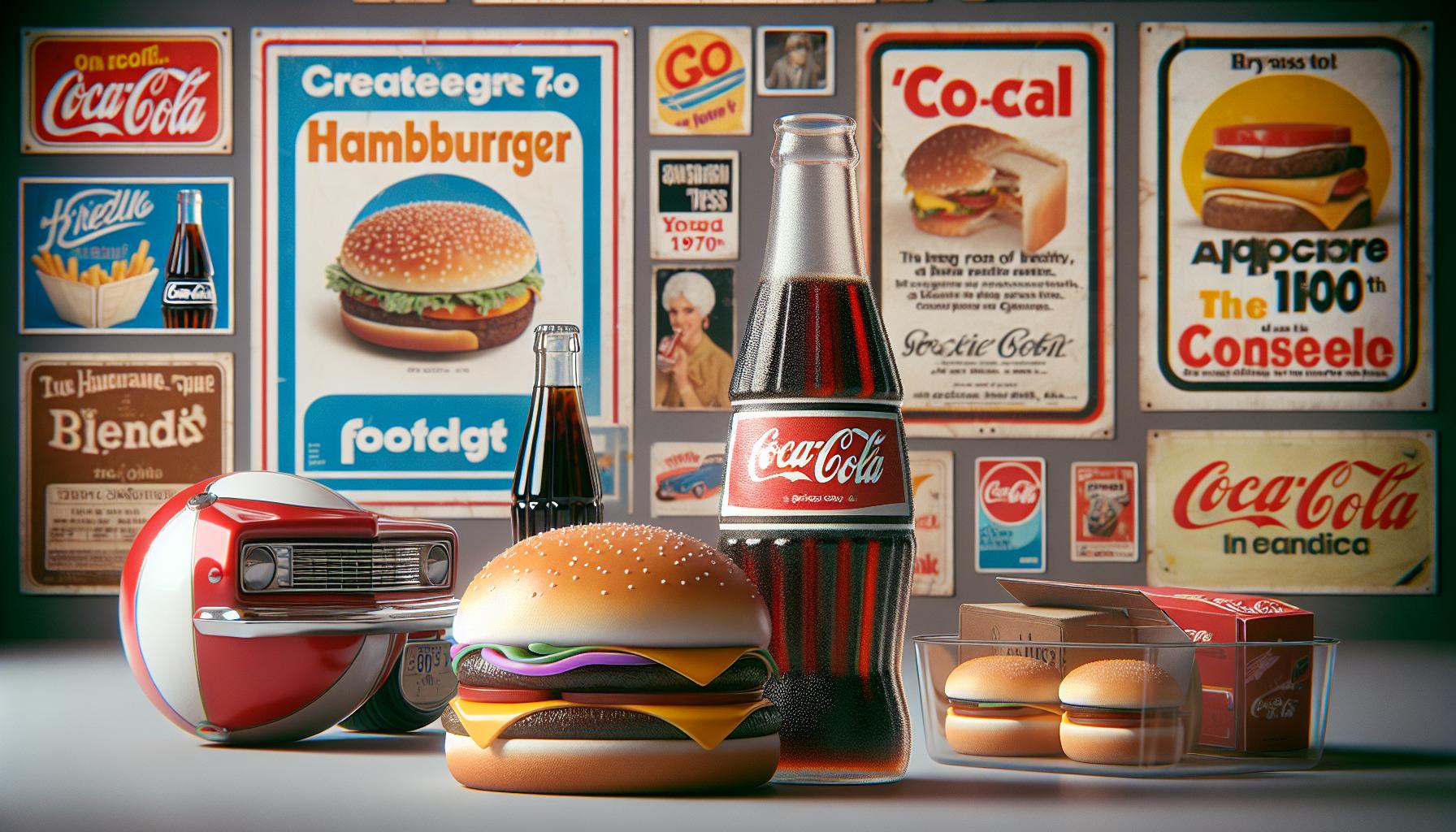
Some slogans are so legendary, they need no introduction, like “Have it your way” from Burger King. This wasn’t just about choosing your burger toppings. It was a testament to individuality, a nod to the growing consumer demand for personalized experiences. Others, such as Coca-Cola’s “It’s the real thing,” conjured feelings of authenticity during an era searching for truth and simplicity.
Amidst the backdrop of space race and tech advances, Atari’s “Have fun” was more than an invitation to play video games—it was a call to embrace new forms of entertainment and to make technology a part of daily leisure. These three words captured the essence of the technological optimism of the 70s.
Here’s a breakdown of how slogans connected with societal movements:
- Personal liberation: Slogans became expressions of self-discovery and freedom.
- Global consciousness: Brands reflected a new awareness of the world’s interconnectedness.
- Technological advancement: Companies capitalized on the public’s fascination with innovation.
Advertisers were adept at tapping into the collective consciousness, recognizing that you wanted to be part of something larger than yourself. They transcended mere catchphrases; they became symbols of the times. Remember the whisper of “We try harder” from Avis? This wasn’t just about customer service—it was a work ethic, a promise that mirrored the determined spirit of the era.
As these examples show, the 1970s slogans did more than just make products fly off the shelves. They sold dreams, aspirations, and in many ways, mirrored the complexities, desires, and ethos of a society in flux. Brands communicated with you on a deeper level, aligning their messages with your values and the broader social narrative.
Slogans as a Reflection of the Zeitgeist

Slogans from the 1970s didn’t just capture attention; they mirrored the era’s heart and soul. You’d see that each tagline wasn’t just catchy, it was a snapshot of society’s pulse. You’ve probably heard “Have it your way” or “Because you’re worth it.” These weren’t mere catchphrases; they were rallying cries for individualism and self-value as social norms shifted.
In that decade, it felt like every aspect of life was accelerating, and slogans kept pace. Brands seized upon this momentum, crafting messages that echoed the public’s growing environmental awareness and desire for societal change. Imagine turning on a TV and the adverts showed more than products; they showcased values, ideals, and a striving for progress that went hand in hand with the times.
If you take a closer look, you’d find that slogans were more than marketing tools; they became cultural icons themselves. They carried the weight of the generation’s voice and concerns, from the fight for equality to the celebration of personal freedoms. For instance, a simple phrase like “The Uncola” did more than sell 7UP—it challenged norms and encouraged a break from conformity.
Advertisers of the era were masters at distilling complex sentiments into bite-sized wisdom. They knew that the right phrase could resonate universally, pushing boundaries and becoming entrenched in the vernacular. It was a time when a slogan could start in ads and end up on t-shirts or protest signs, showing just how deeply these crafted words wove into the societal fabric.
As these slogans seeped into everyday conversation, they reinforced the shifting values and aspirations people held dear. Brands became adept at reading the room—a collective understanding that sometimes you need to stand for more than just selling a product; you need to show you know what’s happening outside the store’s walls.
Advertising from the 1970s reveals much about the decade’s social landscape. Each slogan is a clue to decoding a complex cultural code, a code deeply interwoven with the dreams and movements of its time.
Empowering Calls to Action

1970s slogans went beyond mere catchphrases. You’ve likely heard some that not only stuck with you but also influenced your thinking and actions. They called you to be bold, to stand for something. You’ve felt the push to take charge or make a change—not just consider a new product. These slogans didn’t just reflect the era’s cultural shifts; they championed them.
“Just Do It” may be modern-day lingo, but its roots echo the direct and motivational tone of the 70s. Imagine seeing a slogan—sharp, succinct, and right there in your face. It tells you to act, not tomorrow, but now. Think about the ways slogans like “Have it your way” or “We try harder” motivated people back then. They weren’t just statements; they were imperatives that mirrored the growing empowerment of the people.
Brands picked up on this vibe and ran with it. Empowerment was the game, and they played it well. They connected their pitches to the spirit of self-assertion and individual choice that flared throughout the decade. Their slogans didn’t skirt around the edges; they were forthright invitations to engage with the world more fully.
And it wasn’t just about inspiring confidence in a product. Those punchy lines tapped into something deeper—a desire for authenticity and control in one’s life. When you think about it, the legacy of these slogans isn’t just a catchy phrase stuck in your head. It’s the action they provoked and the societal shifts they supported.
The power of well-chosen words back in the 70s still teaches a crucial lesson today. Sharp, action-oriented slogans are effective tools that can drive not just consumer behavior but also broader social engagement. So, the next time you hear a slogan, take a moment to think about the actions it’s aiming to inspire.
Jingles that Stuck in Your Head

Imagine flipping through the radio stations and suddenly a tune comes on—a catchy, hook-laden jingle from a 1970s ad. You just can’t help but sing along. That’s the magic of the era’s jingles; they were designed to be unforgettable. These catchy melodies did more than just advertise a product; they became intertwined with daily life, turning product names into common household words.
The 1970s were a high point for these earworms. Big brands realized the immense power of attaching a memorable tune to their slogans. A masterfully crafted jingle could make or break a campaign, and many of them did exactly that—they broke through the noise.
Why were these jingles so effective? Well, for starters, they were everywhere—on TV, radio, and even your neighbor’s bumper sticker. They borrowed from popular music trends of the time, which made them relatable and hip. Add to this the fact that television and radio were essential forms of entertainment, and you’ve got the perfect recipe for impact.
- Emotionally Engaging: Jingles tapped into feelings, making connections with audiences at an emotional level.
- Repetition and Rhythm: The repetition within the beats and lyrics of a jingle made it stick in your head much like your favorite chart-topper.
- Simplicity: The best jingles were often simple and direct, making them easy for anyone to remember and hum.
The stickiness of these jingles didn’t just move products off the shelves; it created brand loyalists. The right jingle could take a brand from familiar to a family member. You weren’t just wearing any jeans; you were wearing the ones hailed by a jingle that claimed their uniqueness in a fun and vibrant melody.
As the 1970s marched on, jingles began to reflect the changing tastes and sensibilities of the public, accommodating the diverse music landscape and the rise of new media. Brands adapted by making their jingles more sophisticated, but the core principle remained: a catchy tune could make your brand a star overnight.
Slogans that Shaped Advertising History

Back in the ’70s, slogans were the unsung heroes of advertising, packing a punch in just a few words. They were like the magic spells of marketing, turning a phrase into a cultural touchstone.
“Have it your way” whispered Burger King into our collective ear, making us feel like the masters of our fast-food universe. This wasn’t just about burgers; it was about personalized experiences, a concept that’s still gold in marketing today.
Then there was Coke with “It’s the real thing.” In just four words, Coke wasn’t just a soda; it was authenticity in a bottle, an icon in a sea of imitations. It was an invitation to latch onto something genuine, and people grabbed it tight.
Ever heard “A diamond is forever”? De Beers knew what they were doing. They linked diamonds to timeless love and it stuck. Much like the precious stones they were selling, that slogan has lasted, well, forever.
The secret sauce behind these catchphrases? Emotional connection. They weren’t just talking at you; they made you feel something. Repeating them was like citing a mantra that held deeper meanings about life and who you were in it. And let’s be honest, who didn’t want to be part of the “Pepsi Generation”?
- Burger King let you call the shots.
- Coke was your sincere friend.
- De Beers made love an eternal promise.
These weren’t just catchy lines; they became markers of identity, not just for buyers, but for an entire era. They wove brands into the fabric of daily life, echoing in the background of everything from family dinners to first dates.
These slogans transcended their commercial goals. They became embedded in society’s conversations, tagging along through decades, influencing marketing for years to come. Every ad executive since has been trying to hit that kind of resonant, simple truth — the kind that sticks in your head and heart long after the TV’s switched off.
Conclusion
You’ve seen how ’70s slogans weren’t just fleeting catchphrases—they were the heartbeat of a brand that pulsed through the veins of pop culture. These iconic mottos stood the test of time, proving that simplicity and emotional resonance can turn a line of advertising copy into a timeless tagline. As you reflect on these enduring words, remember their power to shape identities and influence the marketing landscape. Let them inspire you to find your own memorable mantra in a world that still values the punch of a powerful slogan.