Allah Chants: Enhancing Spirituality with Dhikr Practice
Embarking on a spiritual journey often leads one to explore the power of devotional expressions. Allah chants, deeply rooted in Islamic tradition, are one such path to spiritual elevation. They’re not just recitations; they’re a profound connection with the divine.
You might’ve heard the melodic echoes of “Allahu Akbar” or “Subhanallah” and felt a stir within. These chants, rich in history and significance, are more than mere phrases—they’re gateways to inner peace and mindfulness. Let’s delve into the world of Allah chants and uncover their transformative potential.
The Significance of Allah Chants in Islamic Tradition
Allah chants hold a revered place in Islamic practices. When you engage in these chants, also known as dhikr, you’re not just performing a ritual; you’re immersing yourself in an age-old tradition that connects your soul to the divine. Dhikr literally means “remembrance” in Arabic, and by participating, you’re recalling the omnipresence of Allah throughout your daily life.
Chanting the name of Allah goes beyond casual remembrance. It’s believed to purify hearts and sanctify the spirit. In Islamic heritage, these chants were carried out by prophets and are meticulously preserved in religious texts. You’ll find verses in the Quran encouraging believers to remember Allah often, promising serenity and grace in return.
- Quran 33:41-42 advises, “O you who have believed, remember Allah with much remembrance. And exalt Him morning and afternoon.”
Historically, prominent Islamic scholars emphasized the importance of these chants. Imam Ghazali, for instance, considered dhikr as a key to the eternal garden of peace. Some key benefits attributed to regular Allah chants include:
- Stress relief
- Heightened focus
- Spiritual growth
The impact of these chants can be profound. They are not only for the devoted; if you’re seeking tranquility or a deeper understanding of yourself, engaging in dhikr can be a transformative experience. Your breath syncs with the rhythmic utterances, inviting a tranquil state of mind, often leading seekers to a path of mindfulness.
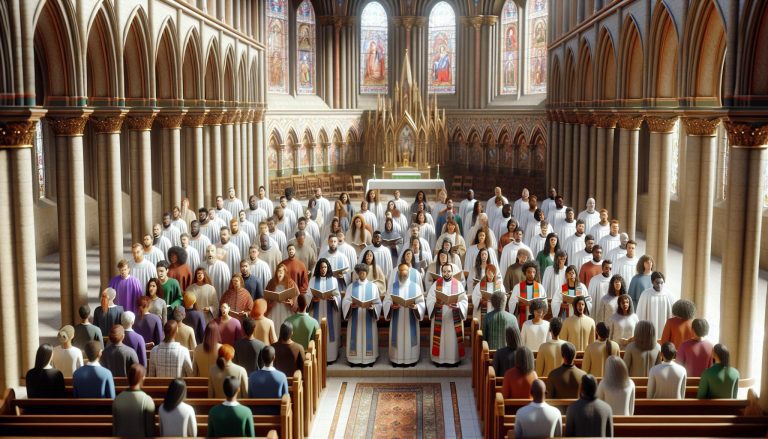
While chants can be a solo endeavor, they take on a powerful collective force when recited in groups. Mosques across the world resonate with these harmonious recitations, especially during collective gatherings like Friday prayers or during the month of Ramadan. This communal aspect reinforces the bonds of brotherhood and unity, echoing the chants beyond walls, across communities, and into hearts.
Allah chants are an essential element of Islamic spirituality. They represent a direct line to the divine, an unspoken dialogue that nourishes the faithful. As you incorporate dhikr into your life, let it serve as a constant reminder of your connection to the wider universe and your place within it.
Understanding the Power of Devotional Expressions

When you delve into the practice of dhikr, you’re tapping into a tradition that’s much deeper than mere chanting. Spiritual sayings from various traditions hold immense power, affecting both the mind and the body. For Muslims, uttering the name of Allah or phrases from the Quran goes beyond religious practice; it’s a profound form of meditation that links believers to a centuries-old lineage of devotion.
The repetition of Allah’s name in dhikr serves as an anchor, helping to center your thoughts on the divine. This type of focused repetition can have tangible effects on your well-being. Imagine the sense of peace that envelops you as you lose yourself in the rhythmic incantations, each repetition like a step closer to spiritual clarity.
- Mental Clarity: The singular focus on the chant clears away the day’s clutter from your mind.
- Emotional Calmness: With each chant, you may find bouts of stress and anxiety ebbing away.
- Physical Relaxation: The calming nature of dhikr can slow down the rush, allowing your body to relax.
The physical act of chanting engages your breath and vocal cords, turning the practice into a holistic experience. Your breath regulates, mimicking the ebb and flow of waves, which in turn, prompts a bodily response — a state akin to the relaxation one might feel after deep breathing exercises.
In group settings, the collective energy can be powerful. The unity formed through communal chanting creates a bond among those present, almost as if the group unites in a single spirit. The vibrational quality of human voices coming together in unison often amplifies the experience, making it more resonant and, therefore, more emotionally impactful.
Remember, dhikr isn’t just a mindless repetition; it’s an active thirst for connection with the divine. As you engage in this practice, consider the rich history it carries and the universal search for inner peace it represents. Whether in solitude or in company, dhikr offers a path to tranquility that has been walked upon by millions before you.
Exploring Different Types of Allah Chants

When you delve into the varied practices of dhikr, you’ll uncover several forms of chants that resonate with different people for their own spiritual needs. Dhikr can be tailored to fit the context of one’s life, whether you’re seeking solitude or the power of a group’s collective vibrations.
Personal and Silent Dhikr
In your personal practice, you may be drawn to silent dhikr, focusing on the inward recitation of Allah’s name. It becomes a deeply intimate experience where the heart’s movement is the only external sign of the internal rhythm of the name of Allah pulsating through your thoughts.
- Focus on breath
- Connect internally
- No vocalization necessary
Vocal Dhikr and Rhythmic Recitation
Perhaps you find strength in verbal expression and choose to physically voice the chants. Vocal dhikr can be rhythmic and musical, weaving patterns with speech, creating an audible tapestry that echoes the divine resonance.
- Enhance memorization
- Create a personal or communal rhythm
- Engage in a multisensory experience
Communal Dhikr: A Unifying Force
For those who thrive in the energy of others, communal dhikr sessions can elevate the spiritual atmosphere to new heights. The unison of voices not only strengthens bonds among practitioners but also reinforces collective intention towards worship and reflection.
- Strengthen community bonds
- Merge individual energies into one
- Experience amplified spiritual benefits
Each method unlocks a unique dimension of spirituality, with personal nuance essential to its impact. The adaptability of dhikr allows you to tailor your practice, integrating chants in ways that align with your spiritual objectives. Whether in silence or in chorus, the essence of dhikr through Allah chants is a journey to the soul’s core, aiming to foster a sacred connection with the divine.
How Allah Chants Can Enhance Spiritual Elevation

Engaging in Allah chants can significantly deepen your spiritual practice. These chants, often referred to as dhikr, are a form of meditation in Islam that involves the repetition of Allah’s name or attributes. If you’re looking to grow spiritually, understanding the transformative power of these chants can be the first step in crafting a more mindful and fulfilling religious experience.
Personal spiritual growth often stems from consistent practice. Regularly incorporating dhikr into your routine fosters a consciousness of Allah throughout the day. With each chant, you’re inviting peace into your life and allowing your soul to connect on a profound level with the Creator.
Your state of heart and mind directly impact the quality of your worship. Allah chants serve as a tool to purify your thoughts, setting a foundation for a heart more attuned to spiritual realities. They can serve as a shield against distractions, helping you maintain spiritual focus amidst your daily activities.
The rhythmic nature of dhikr creates a pattern that your mind can hold onto. This repetition can become a grounding force, helping you cope with stress and anxiety. It acts as a spiritual anchor, pulling you back to a state of remembrance when the world around you gets overwhelming.
Communal Allah chants amplify the experience. When you engage in dhikr with others, there’s a unique vibrancy and energy that’s tough to replicate on your own. It’s like your spiritual efforts are multiplied, stitched together by the harmony of many voices all calling out to the same divine presence.
Remember that Allah chants are adaptable. Whether you’re in need of silent reflection or a more vocal expression of faith, dhikr provides a versatile framework to accommodate your personal spiritual mood and goals. Through these chants, you can continually renew your intention and dedication to your faith journey, embracing a ritual that has been nourishing the spiritual lives of many for centuries.
Keep experimenting with different paces and volumes to find what resonates best for you. You’ll likely notice that your preferences might change over time, reflective of your ever-evolving spiritual needs and insights.
Incorporating Allah Chants into Daily Practice

When you’re looking to blend the serene practice of dhikr into your daily routine, start off simple. You might want to set aside specific times of the day for reflection and chant. Many find the early morning or late evening particularly conducive for such spiritual exercises, as these times typically have fewer distractions.
Easing Allah chants into your daily life is about more than just finding time, it’s about creating a habit. You could begin by integrating dhikr with regular activities. For instance:
- While commuting, recite chants silently or listen to recorded dhikr.
- As you do household chores, use this time for reflective chanting.
- Coincide your dhikr with daily prayers for a more profound connection.
The key is to be mindful during these moments. Rather than mechanically repeating words, focus on their meaning and allow their rhythm to resonate within. This mindfulness can transform mundane tasks into deeds that feel sacred and imbued with purpose.
Another approach is the intentional use of reminders. Methods vary, but here are a few suggestions:
- Set alarms on your phone as prompts to take short dhikr breaks.
- Keep a dhikr counter within reach to engage in chants during idle moments.
- Post-its with chant phrases on your desk or mirror can serve as visual cues reminding you to refocus.
The beauty of Allah chants lies in their flexibility and the personal pathway they offer towards spirituality. You’re encouraged to adapt the practice to your life rather than reorganizing your life around the practice. Each whisper of dhikr is a step closer to a more tranquil state of being, one that weaves consciousness of Allah into the fabric of your everyday activities.
Remember, the goal is continuity and consistency. As you make these practices part of your routine, they’ll gradually become second nature. It’s through this daily repetition that you’ll find your spiritual rhythm and deepen your connection to Allah without feeling overwhelmed.
Conclusion
Embracing dhikr in your daily life can be a simple yet profound step towards spiritual growth. It’s about letting the chants of Allah resonate within you, transforming your inner landscape as you navigate the complexities of life. By weaving dhikr into your routine, you’ll find a source of peace and a constant reminder of your spiritual journey. Let these sacred rhythms become your companion, enhancing your mindfulness and bringing you closer to the divine. Start small, stay consistent, and watch as this beautiful practice enriches your life, one chant at a time.