Top 1950s Slogans: Echoes of Advertising Genius
Dive into the vibrant era of the 1950s, where catchy slogans captured the hearts and minds of a generation. It’s a time when advertising took on a life of its own, with phrases that became embedded in American culture.
You’ll discover how these iconic slogans not only sold products but also defined a decade of prosperity and change. Get ready to explore the power of words that still resonate with us today.
Catchy Slogans of the 1950s
During the 1950s, advertising slogans took the country by storm, turning phrases into cultural icons. You’ve likely heard them, even if you weren’t around in that era. These catchy slogans became more than simple marketing—they were catchy jingles and conversation starters, testimonies to the inventive spirit of the decade.
One standout was “They’re gr-r-reat!”—the roar for Frosted Flakes that still echoes today. It transcended just being a tagline; it captured the energetic optimism of postwar America. You knew a product had nailed it when its slogan was on everyone’s lips and Frosted Flakes achieved that with aplomb.
- “M&m’s melt in your mouth, not in your hands.” This phrase cleverly emphasized convenience and cleanliness, values that resonated with consumers. You’d be hard-pressed to find someone in America who couldn’t recall this catchy line.
- “Does she or doesn’t she?” Clairol asked, and while it played coy with its intentions, the slogan spotlighted an era where appearances were paramount and personal grooming a matter of pride and secrecy.
| Decade-Defining Slogans | Product | Impact |
|---|---|---|
| “They’re gr-r-reat!” | Frosted Flakes | Integrate jingle and product identity |
| “M&m’s melt in your mouth…” | M&M’s | Stress product convenience & cleanliness |
| “Does she or doesn’t she?” | Clairol Hair Color | Highlight personal grooming culture |
Besides selling products, these slogans shaped American language, embedding themselves into the collective psyche. Recognizing the power these few words could wield, companies bet big on their marketing departments, turning what could have been ordinary phrases into unforgettable tags that defined an object, a company, or even the decade itself.
These slogans were more than marketing history; they’re statements of the era’s zeitgeist, illustrating a time when a catchy phrase could become a social phenomenon. And if you think about it, their legacy lingers, as today’s brands strive to capture that same magic with their own slogans.
The Influence of Advertising

In the vibrant era of the 1950s, advertising didn’t just sell products, it sold dreams and lifestyles. Think of the way catchphrases fused into your daily parlance, their sticky melodies playing in your head long after the TV was off. This was the magic of 1950s slogans—their power to transcend the boundaries of the advertisements they came from.
These slogans were more than just clever catchphrases; they were a reflection of the times. Amid post-war prosperity, where consumer culture began to boom, advertising agencies understood that to seize the moment, they needed to speak directly to you, the consumer. A quick glance at popular slogans from that decade shows how they tapped into the collective desires for innovation, convenience, and style.
- “They’re gr-r-reat!” – Frosted Flakes
- “M&M’s melt in your mouth, not in your hands”
- “Does she or doesn’t she?” – Clairol
These lines weren’t random bursts of creativity; they were well-oiled machines driving brand loyalty. Combining wit, brevity, and cultural relevance, these slogans implanted themselves into society’s consciousness. Moreover, each phrase told a story, a narrative that you could be part of just by purchasing the product. It’s no wonder that many of these taglines have stood the test of time.
What’s fascinating is the way these slogans reflect the 1950s public’s mindset. Frosted Flakes didn’t just promise a tasty breakfast; they suggested vigor and excitement to kick-start your day. M&M’s weren’t merely a candy; they were a symbol of cleanliness and convenience, without the mess. And Clairol? They delved into the realm of discretion and beauty, prompting curiosity and conversation. Every ad was an open door to a world you aspired to enter.
Defining a Decade
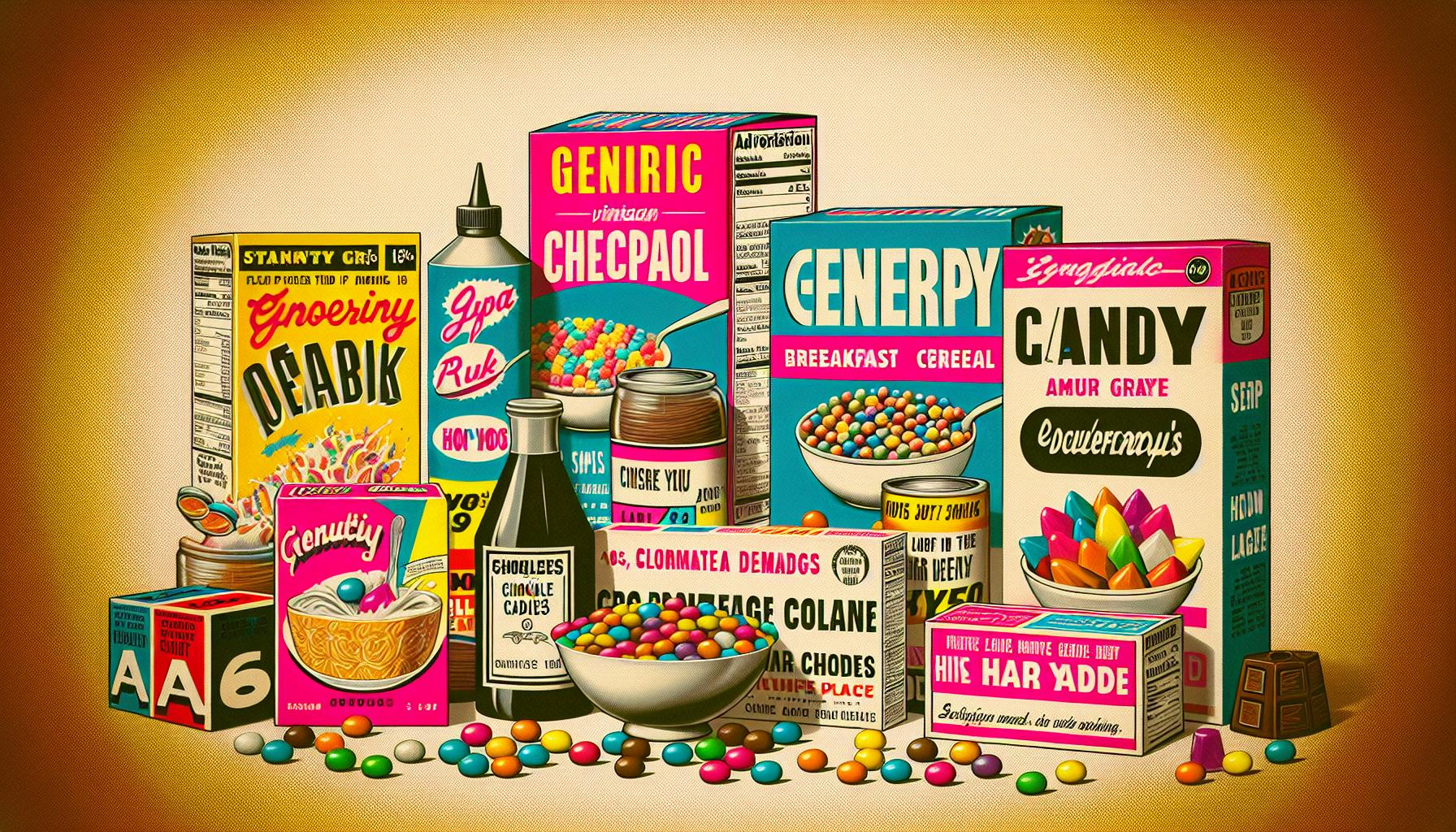
Slogans from the 1950s were more than catchy phrases; they were timeless tickets to a nostalgic ride. Look at “They’re gr-r-reat!” and you’ll see how Frosted Flakes didn’t just promise a tasty breakfast; they sold a slice of excitement for your morning routine. Similarly, with M&M’s, the promise that they wouldn’t melt in your hands let you imagine enjoying chocolate without a mess, which was quite an appealing thought.
The era’s advertising brilliance lay in its ability to link a product to a consumer’s daily life. “Does she or doesn’t she?” from Clairol was not merely asking if a woman colored her hair. It was probing into the wider acceptance of vanity and self-care, stirring curiosity, and breaking taboos all at once.
Key slogans from the 1950s:
- “They’re gr-r-reat!” – Frosted Flakes
- “M&Ms melt in your mouth, not in your hands.” – M&Ms
- “Does she or doesn’t she?” – Clairol Hair Color
Each tagline didn’t just make an impression; it settled into the cultural fabric, becoming a marker of its times. You could say these phrases acted as badges of identity, mirroring the atmosphere of post-war America, where innovation and convenience began to take center stage. With a booming economy and a consumer base hungry for newness, commercials had the perfect playground to test out their catchphrases.
The slogans of the 1950s also speak to the power of simplicity in marketing. A memorable hook could carry a brand for decades, embedding its value proposition in the simplest of terms. “Less is more” might as well have been the unspoken mantra of advertisement copywriters during this impactful era.
The Power of Words

Ever wondered why you’re still talking about catchy phrases from ads that are decades old? Let’s break it down. Back in the 50s, marketing gurus hit a sweet spot in communication. Their secret ingredient? Simple yet potent words. Catchphrases became a sort of shorthand for the values and promises of a brand. You could say they knew how to talk the talk.
Think about it. Phrases like “Melts in your mouth, not in your hands” gave you a vivid sensory experience without having to taste a single candy. Or consider the confident assurance behind “They’re gr-r-reat!”—it’s not just about a tiger vouching for your breakfast; it’s about starting your day on a positive note.
Simplicity and repetition were their best buddies. Memorable slogans slipped into everyday conversation, and before you knew it, they became embedded in American culture. What’s more, some slogans subtly shifted societal attitudes. The Clairol’s “Does she or doesn’t she?” wasn’t just selling hair dye; it was challenging norms and encouraging personal discretion in beauty routines.
Creating a lasting impression wasn’t just a hit-and-miss affair. Each word was meticulously chosen, each phrase craftily constructed to stick. Today’s marketers still employ this strategy, demonstrating that a strong message resonates well beyond its era.
So next time you catch yourself repeating a classic tagline, remember it’s not random—it’s the result of a carefully orchestrated symphony of words that has, quite literally, stood the test of time.
Resonating Through Time
When you think about iconic 1950s slogans, it’s clear they’ve stood the test of time. Brands understood the catchy phrase’s power to stick in the consumer’s mind. It’s why you still recall some taglines decades later, even if the products aren’t on shelves anymore. These words resonated with folks on a personal level, creating a bond that outlasted the campaigns themselves.
Consider how these slogans often reflected societal norms or aspirations of the 1950s. They weren’t just selling products; they were selling a lifestyle. Whether it was the promise of convenience or the allure of being part of the in-crowd, these phrases tapped into the emotional psyche of an entire generation. As a result, they’ve become a part of our vernacular, peppered into conversations and media, reminding us of a bygone era.
The clever use of rhyme, rhythm, and repetition also played a crucial role. The slogans weren’t simply memorable; they were enjoyable to say and hear. This musicality prompted people to repeat them over and over again – and repeat they did. Not only did they echo through the 1950s, but they’ve also reverberated through the decades that followed.
Digital marketers today could learn a thing or two from the impactful simplicity of these slogans. In an age where attention is fractured and fleeting, the value of clarity and brevity cannot be overstated. Modern ads continue to draw on the lessons from the past, crafting messages that cut through the noise with the same precision as their mid-century predecessors.
So, next time you catch yourself humming an old jingle or using a phrase that seems a tad old-fashioned, think about its origins. You’re not just recalling a catchy line, you’re tapping into a cultural touchstone that illustrates the enduring legacy of 1950s advertising genius.
Conclusion
You’ve seen how 1950s slogans have left an indelible mark on advertising and popular culture. Their ability to connect on a deeper level and their catchy construction have ensured they’re still celebrated today. Remembering these iconic phrases reminds you of the power of words to capture a moment in time and influence behavior. As you move forward, consider the lessons from these timeless slogans—they’re a masterclass in marketing that continues to inspire.