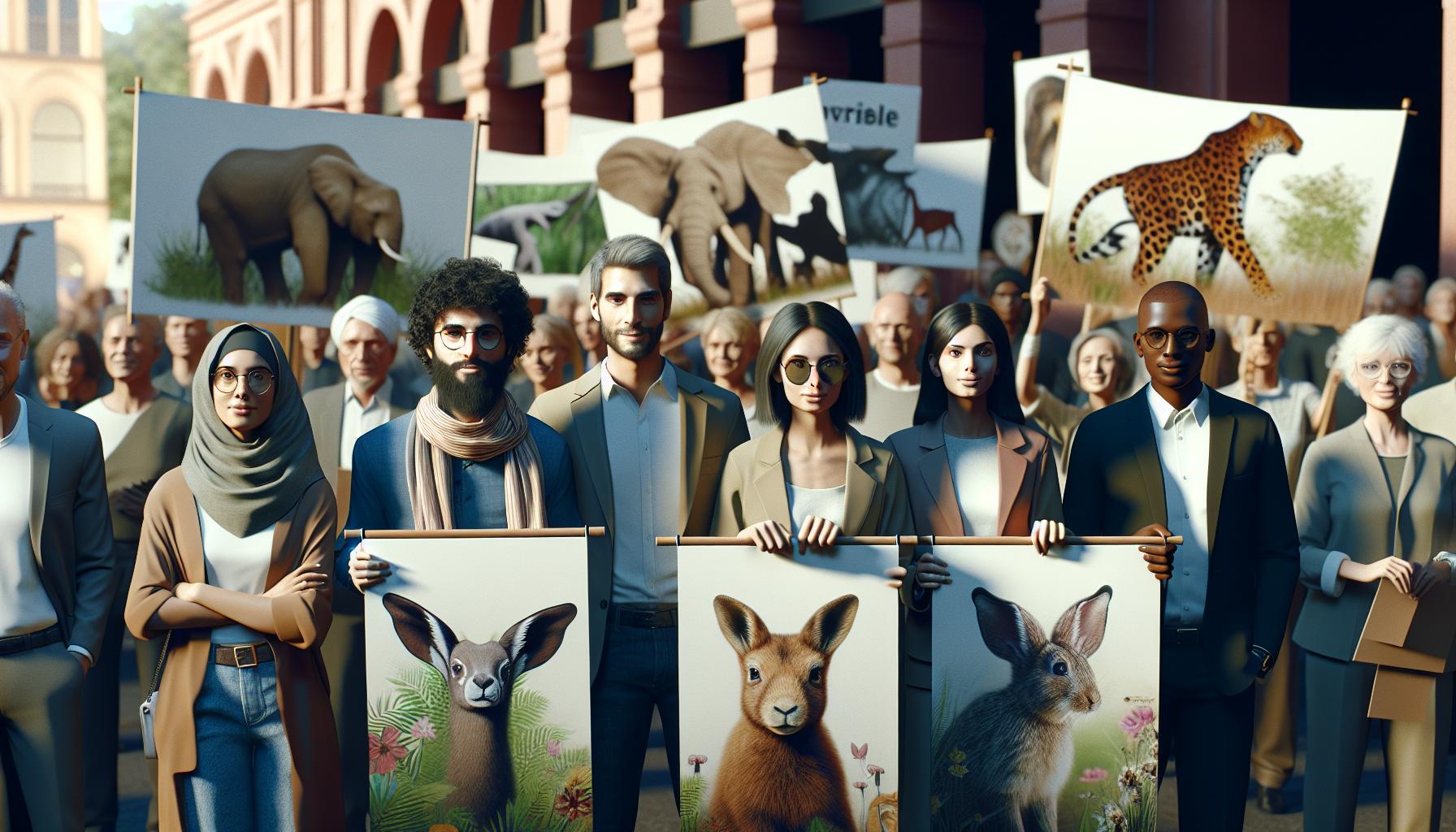
Animal Slogans: Voices for Conservation & Rights
Imagine your favorite animal championing a cause with a catchy slogan. It’s not just a fun idea; it’s a powerful tool for raising awareness about wildlife conservation and animal rights. Animal slogans grab attention, evoke emotions, and can even become rallying cries for change.
From “Save the Whales” to “Adopt, Don’t Shop,” these memorable phrases are everywhere. They’re on bumper stickers, T-shirts, and social media profiles, becoming part of the fabric of our conversations about animals and the environment. Ready to dive into the world of animal slogans? Let’s explore how these snappy sayings make a big impact.
Importance of Animal Slogans
Animal slogans aren’t just catchy phrases; they serve as powerful tools for advocacy. Think of them as the heartbeat of conservation efforts, pulsing with urgency and a call to action. When you read “Save the Tigers,” it’s more than a suggestion—it’s a command that prompts an emotional response. You’re not just spectating; you’re being enlisted in a cause that demands your attention and support.
Slogans simplify complex issues, cutting through the noise of daily information overload. “Fur Is Dead” isn’t just a statement; it’s a distilled message that conveys the ethical stance against animal cruelty in four potent words. This brevity is crucial for memorable and persuasive communication that sticks with you long after you’ve scrolled past it on your feed.
Moreover, each slogan is a bridge connecting you to facts and stories you might not seek out on your own. For instance, “Only Elephants Should Wear Ivory” quickly illuminates the harsh reality of poaching without overwhelming you with data. Yet, it’s thought-provoking enough to spark curiosity and perhaps even inspire you to dig deeper into the issue.
Subtle yet significant, animal slogans harness the power of social influence. When you see a slogan like “Adopt, Don’t Shop” consistently across multiple platforms—whether on an influencer’s Instagram or a neighbor’s bumper sticker—it begins to shape public opinion. Over time, these repeated exposures can convert passive observers into active participants in the move towards animal welfare reform.
By adopting an animal slogan, you’re wearing your values on your sleeve, quite literally, if it’s on your clothing. You’re signalling to others that you stand for something important, inviting them to join in and further amplify the message. It’s a ripple effect where your choice to embrace and share a slogan can ignite a wave of change across communities and even nations.
In essence, animal slogans are far more than marketing gimmicks or trendy hashtags. They’re the emblems of a movement that seeks to preserve the natural world and assert the rights of its inhabitants. Through simplicity, emotional appeal, and the potential for widespread influence, these slogans pack a punch capable of instigating real change in society’s treatment of animals.
The Power of Catchy Phrases
When you hear a catchy phrase, it sticks with you, often popping up in conversations or swirling in your mind days later. Animal slogans work the same way; they’re crafted not only to be memorable but also to kindle an emotional response. These catchy phrases serve a greater purpose than mere repetition; they aim to invoke a sense of urgency and responsibility toward animal welfare.
Imagine the power behind the slogan “Save the Whales”; it’s short, compelling, and sparks an immediate visual image of majestic sea creatures in need of protection. Such slogans distill complex conservation messages into bite-sized, manageable ideas. They ignite action by simplifying the message to its core, making the step from awareness to action seem less daunting.
Effective slogans leverage familiar language and rhythms, making them easy to understand and adopt. Consider how the rhyme in “Fur is not fair” makes the controversial issue of fur use striking and accessible. With just a few words, the slogan conveys the ethical standpoint against fur clothing succinctly and memorably.
Organizations often illustrate dire situations through these phrases to galvanize support. For instance, the slogan “Extinction is Forever” doesn’t just convey a fact — it drives home the irreversible consequences of inaction. By using potent and clear language, these slogans connect with you on a personal level, transforming abstract concepts into tangible issues.
Think about the slogans you encounter and share them within your network. Every time you do so, you’re extending the reach of an invaluable message. The beauty of these animal slogans lies in their simplicity and their capacity to unite people under a common cause. Your voice amplifies their message — a message that could help shift the tide for animal rights and conservation efforts around the globe.
Historical Animal Slogans
Throughout history, some animal slogans have stood out for their impact and memorability. These phrases have galvanized the public, influencing attitudes and policies regarding wildlife conservation.
“Only Elephants Should Wear Ivory” surged in popularity as a blunt message against the ivory trade, highlighting the brutal cost of fashion at the expense of elephant lives. By directly linking consumer behavior to the endangerment of a species, this slogan spurred individuals worldwide to reject ivory products.
In the 1970s, “Save the Whales” became synonymous with the environmental movement. This simple call to action captured the urgency to protect these majestic creatures from commercial whaling, which had pushed them to the brink of extinction. The campaign’s success marked a significant victory for conservationists and shaped future endeavors to safeguard various animal species.
“Give a Hoot, Don’t Pollute,” although not exclusively an animal slogan, benefited wildlife by encouraging the public to keep natural habitats clean. Owls, emblematic of wisdom, became the symbol for this movement, teaching generations the importance of protecting the environment from litter and pollution.
Slogans act as rallying cries that bring complex conservation issues into the spotlight. Remember the spotted owl and its crucial role in the Old-Growth forest debate? “Save the Spotted Owl” served not just to protect a single species, but also to conserve the ancient forest ecosystem as a whole, demonstrating how the fate of an animal is often intertwined with broader environmental concerns.
You can see how these historical slogans aren’t just catchphrases; they’re powerful tools for changing perceptions. They encapsulate pivotal moments in the struggle for animal rights, nudging society to embrace more ethical and sustainable practices.
Recognizing the iconic status and influence these slogans have achieved, it becomes clear that a few well-chosen words can indeed make a world of difference in the fight for animal conservation. Now, imagine the new slogans being crafted today that might one day join the ranks of these enduring messages.
Modern Animal Slogans
Crafting a powerful slogan in the age of social media requires more than just clever wordplay. Memorable and Shareable – these are the buzzwords for modern animal slogans that need to strike a chord across digital platforms.
Imagine scrolling through your feed and coming across “Be the Voice They Wish They Had.” Instantly, it highlights the plight of voiceless animals and inspires action. Social media campaigns, non-profits, and wildlife activists use such slogans to amplify their message.
Let’s take a look at some current slogans that have made their mark:
- “Fur is Worn by Beautiful Animals and Ugly People” – This provocative statement challenges fur fashion by comparing the natural elegance of animals to the perceived vanity of fur wearers.
- “There is no Excuse for Animal Abuse” – A succinct phrase that leaves no room for debate and has been central to numerous campaigns against animal cruelty.
Visuals often accompany these slogans, creating a powerful narrative that compels viewers to stop and think. With hashtags becoming ubiquitous in propagating social causes, slogans like #AdoptDontShop have become digital banners for animal adoption over purchasing pets.
No longer confined to bumper stickers and protest signs, modern animal slogans adapt and thrive in the digital arena. The stark simplicity of phrases like “Endangered Means There’s Still Time… Extinction is Forever” resonates with the broader audience, making the urgency of conservation efforts palpable.
By tapping into the human-animal bond, these slogans foster a sense of responsibility and stewardship among the public. As the battles for animal rights and conservation continue, the evolving language of activism carves new paths for advocacy. Trackable, clickable, and infinitely tweetable – the power of a well-crafted slogan in today’s world can’t be underestimated.
Impact of Animal Slogans on Wildlife Conservation
You’ve likely heard the phrase “Save the Whales,” a pithy call to action that swept across the world, transforming public consciousness and fostering a global movement. It’s just one example of how a compelling slogan can galvanize widespread support for wildlife conservation. The power of well-chosen words is unparalleled when it comes to rallying people around a cause.
Animal slogans resonate with the public by distilling complex issues into digestible and emotion-stirring calls to action. These clever catchphrases often serve as rallying cries that inspire donations, influence policy changes, and draw media attention to the plights of endangered species. To understand the full scope of their impact, consider these facets:
- Public Engagement: Effective slogans are a magnet for public interest. They simplify messages, making them easy for anyone to understand and share. This accessibility is crucial in mobilizing grassroots movements and educational campaigns.
- Policy Influence: When animal slogans become viral, they often catch the attention of policymakers. These slogans can lead to legislative changes as they put pressure on officials to act. A historical example is the slogan “Only you can prevent forest fires,” which contributed to increased awareness and stricter laws on fire prevention.
- Fundraising: A catchy slogan can open wallets as quickly as it does hearts. Charities and conservation groups use slogans to capture the imagination and the empathy of potential donors, transforming passive onlookers into active supporters.
- Creative Campaigns: Today, animal slogans frequently anchor creative campaigns. They’re paired with striking visuals or used in clever social media strategies to maximize their reach. Consider the virality of slogans like “Protect our fins to win” in campaigns fighting against shark finning.
While slogans are crucial in initiating change, their success often depends on the follow-through with compelling narratives and actions that resonate with the message. By tying slogans to concrete conservation efforts, organizations ensure these catchy phrases lead to real-world results.
As the language of wildlife advocacy evolves, remember that the next big slogan could tip the scales for a species in need. Your awareness and participation in these campaigns can make a significant difference in the fight to preserve our planet’s precious wildlife.
Animal Slogans for Animal Rights
When you think of animal rights, certain powerful slogans likely spring to mind. These phrases are designed to stick with you, resonating on a deeply personal level. “Fur is dead” and “I am not an ingredient” are just a couple of examples illustrating the undeniable message these campaigns aim to drive home: animals are sentient beings deserving of respect and compassion.
Crafting an effective slogan is an art. It must be punchy, memorable, and convey the urgency of the issue. Take “Save the whales”—it’s short, compelling, and direct. But beyond just being catchy, these slogans often serve as rallying cries that mobilize the masses. They’re not just words; they’re a call to action. For instance, “Stop the suffering, end factory farming,” encourages people to look into how their food is sourced and consider the welfare of animals involved.
What makes these slogans so impactful is their ability to encapsulate complex ethical debates into digestible bites that anyone can understand. When you hear “Animals are not ours to exploit,” it challenges preconceived notions about animal use in entertainment, research, and clothing. It’s about helping you see these issues through a different lens.
Visuals often accompany these slogans, creating a stronger emotional connection. Imagine seeing a sticker with the phrase “Love me, don’t eat me” alongside the image of a farm animal. It humanizes the creature and fosters empathy, potentially influencing dietary choices and consumer behavior.
For those ready to champion animal rights, these slogans aren’t just taglines. They can spark dialogue, drive charitable donations, and inspire lifestyle changes. You see this vivid transparency in messages like “Their lives, not ours,” which nudges society to acknowledge the autonomy and rights of all sentient creatures.
Remember, the next time you encounter an animal slogan, it’s more than a sequence of cleverly arranged words. It’s an embodiment of a movement seeking to transform attitudes and provoke positive change in the world of animal welfare.
How Animal Slogans Raise Awareness
When you come across a powerful animal slogan, it’s more than just a catchy phrase—it’s a call to action. Think of slogans like “Save the Tigers, They Can’t Speak for Themselves” or “Extinction is Forever”. These aren’t just memorable lines; they serve as urgent reminders of the plights facing various species. What makes these slogans incredibly effective is their ability to reduce complex environmental issues into accessible and relatable concepts.
Bold, resonant messages become rallying cries that grab the public’s attention. By distilling the essence of conservation campaigns, slogans like “Fur is Dead” or “Give Bees a Chance” present a clear perspective on contentious issues. They don’t just inform; they invite you, the reader, to form an emotional bond with the subject. Pictures of polar bears on melting ice caps or monarch butterflies losing their habitats provide powerful visual companions to these slogans, stirring empathy and a sense of responsibility.
Slogans are the frontline warriors in the battle for conservation awareness. They show up on bumper stickers, T-shirts, and social media, providing continuous exposure to the cause. Consider how the rhyming couplet “When the buying stops, the killing can too” has brought the ivory trade to the forefront of public discourse. Spearheading movements, this phrase sparks conversations about the stark realities of wildlife trafficking.
Moreover, slogans often anchor educational initiatives, serving as teaching tools that promote understanding and stewardship. For example, the slogan “Only you can prevent forest fires” reinforces the role each individual plays in preventing wildfires—a message that has stood the test of time.
Visual and verbal awareness campaigns are crucial in promoting the knowledge needed for policy changes and personal actions. They compel you to look beyond the surface, making you question your own practices and how they impact the animal kingdom. So the next time you encounter an animal slogan, think about the bigger picture it represents and consider what steps you can take to become a part of that all-important change.
Animal Slogans in Pop Culture
When you think about the way animal slogans have seeped into pop culture, it’s evident that they play a significant role in shaping attitudes and behaviors towards wildlife preservation. From memorable movie taglines to catchy phrases on trendy T-shirts, animal slogans are everywhere, serving as both fashion statements and conversation starters.
Movies and Television have proven to be powerful platforms for these messages. Take the phrase “Just Keep Swimming” from the animated hit Finding Nemo. It’s more than just a line from a film; it’s a mantra for perseverance that also subtly nudges you to think about marine life and the importance of oceanic habitats. Similarly, the “Winter is Coming” slogan from Game of Thrones, while not directly about animals, evokes a sense of urgency about changing climates that can affect wildlife.
In the music industry, artists frequently use animal imagery and slogans in their work, which spreads these ideas to vast audiences. A song with a hook that mentions tigers or elephants can trigger a whole new level of awareness and curiosity.
Social media has also amplified the impact of animal slogans. Hashtags like #SaveTheBees or #AdoptDontShop transform into viral campaigns, reaching millions of users worldwide. These catchy calls to action encourage you to engage with important issues, bridging the gap between online activism and real-world change.
Even fashion brands capitalize on this trend, designing collections that feature endangered species alongside powerful slogans. These clothing lines do more than make a visual statement; they support conservation efforts with a portion of their proceeds, allowing you to contribute to a cause you care about while staying stylish.
As you explore these examples, remember that every retweet, share, or purchase is a step towards broader recognition of the challenges faced by wildlife. By engaging with animal slogans in pop culture, you become part of a larger movement that values and strives to protect the natural world.
Conclusion
You’ve seen the power of animal slogans and their ability to make a mark on conservation and animal rights. They’re not just catchy phrases; they’re a tool for change, shaping public opinion and driving action. As you encounter these slogans in your daily life, remember the significance behind each word. They’re not just for show; they embody a call to action, a reminder to stand up for those who can’t speak for themselves. Wear them, share them, and live by them. Your voice, amplified by these slogans, can truly make a difference for the animal kingdom. So go ahead, let these powerful words inspire you and others to join the movement for a better, more compassionate world.